


- 02.11.2026, 18:39 Photo
-
17.10.2026, 09:14
Photo
Residents of Temporarily Occupied Crimea Have Still Not Become “One of Their Own” in Russia
-
30.07.2026, 16:20
Photo
Occupying Authorities Risk Dealing a Final Blow to Crimea's Tourism Industry with New Restrictions
-
27.08.2025, 07:45
Photo
Fourth International Forum of the International Crimea Platform Expert Network to be held in Kyiv
- 24.06.2025, 12:29 Photo
-
15.04.2025, 14:08
Three years out of reach. The story of the Crimean warrior Oleksandr Kravchenko
- 15.04.2025, 12:13
- 15.04.2025, 10:47
- 15.04.2025, 09:08
- 15.04.2025, 08:49 Photo
- 14.04.2025, 21:33
-
14.04.2025, 20:48
Photo
The Royal Court in London has sentenced the former "governor" of Sevastopol, Dmitry Ovsyannikov
- 14.04.2025, 20:07
- 14.04.2025, 18:47
-
14.04.2025, 17:14
145 Roscosmos employees were killed or went missing in the NWO
-
14.04.2025, 15:40
Photo
Residents of occupied Belogorsk observe "dust storms" every day
-
14.04.2025, 14:14
Future Chancellor Merz is ready to provide the Taurus, provided that
-
14.04.2025, 12:31
Photo
Crimea hosts "conference on economic development" of occupied territories
-
14.04.2025, 10:49
Photo
A highway with massive structures is being built in an earthquake-prone area in southern Crimea
-
14.04.2025, 10:23
Photo
Crimea hosts "seminar on integration" of occupied territories of Ukraine
Residents of Temporarily Occupied Crimea Have Still Not Become “One of Their Own” in Russia


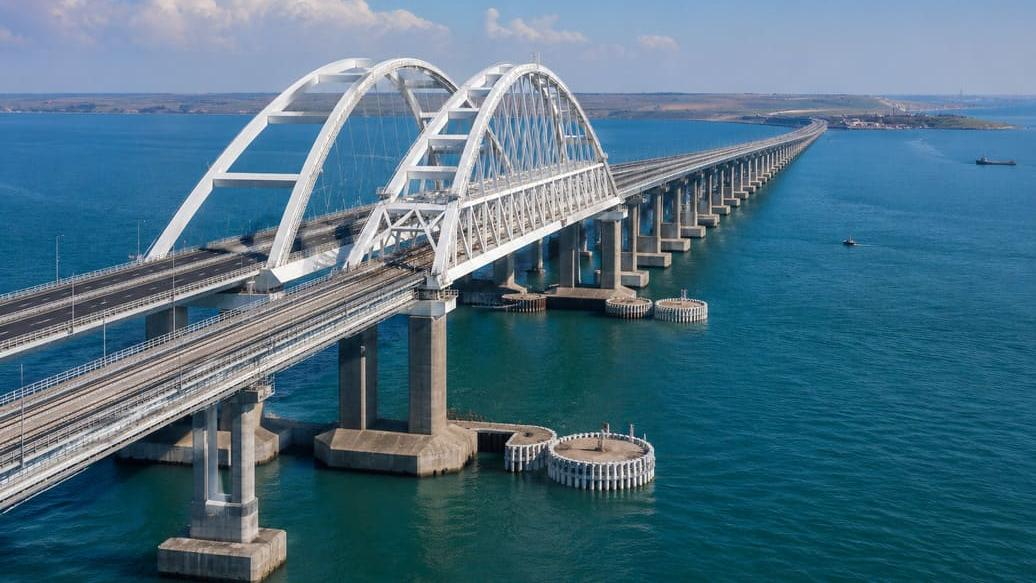
“Weekend Getaways” to Kuban by Residents of Temporarily Occupied Crimea Show That They Have Still Not Become “One of Their Own” for Russians After More Than a Decade of Russian Presence on the Peninsula. This Is Reported in an Article Published by ForPost, a Sevastopol-based outlet controlled by the Russian occupation authorities.
According to the article, for Crimean supporters of the occupation regime, trips to Krasnodar have become “a way to briefly experience everyday life in Russia and feel like ordinary Russians rather than residents of a special, sanctioned region.” At the same time, Krasnodar is described as “a southern hub of ‘civilization’ that has never fully reached the peninsula,” since local residents enjoy benefits that remain inaccessible to people living in the occupied region.
Against the backdrop of the fuel crisis that has recently engulfed the temporarily occupied peninsula, local residents are organizing “petrol trips” to Krasnodar, where AI-95 gasoline can be purchased for 80–100 rubles (UAH 43–54) per litre, while in Simferopol it can be difficult to find even at 200 rubles (more than UAH 107) per litre.
However, travelling from temporarily occupied Crimea to the Russian city of Krasnodar raises a number of questions: Is it worth going there? Will travellers get stuck on the so-called “Crimean Bridge” and/or lose mobile connectivity? Will they have enough fuel? Could conflicts with the local population arise? The journey may also depend on queues at the bridge, the scrutiny of security forces, and unforeseen circumstances that could result in the bridge crossing being closed for an indefinite period.
According to a preliminary analysis, “weekend tourists” from temporarily occupied Crimea travel to Krasnodar in two main waves. The first departs on Friday morning, creating queues for inspections between 9 a.m. and 4 p.m., while the second causes congestion on Saturday, between 9 a.m. and 1 p.m. Despite reports that waiting times may be around an hour, motorists in dedicated online chats complain about traffic jams lasting several hours and attempts by some drivers to bypass the queues. Some people have to leave home at 5 a.m. to cross the bridge under relatively less stressful conditions.
In Kuban, beyond the bridge near the settlement of Khutor Bely, drivers reach the A-289 toll highway, where paying the toll has become a problem for residents of temporarily occupied Crimea. The expressway operates under a barrier-free tolling system, meaning there are no toll booths where drivers can pay on the spot. Instead, payment can be made using a transponder, which ordinary tourists almost never have; through the Avtodor website or app; via Russian banking services; at customer support centres; or by dialling *390# on a mobile phone. All these options may be unavailable when internet access is restricted in Krasnodar Krai for users of Crimean SIM cards. Payment verification text messages may also fail to arrive. This problem has become systemic and exposes Crimean drivers to the risk of fines.
The article also notes that residents of the Russian region are not particularly welcoming towards people from temporarily occupied Crimea. Locals reportedly complain that there are “too many of them” in Krasnodar and that they “stay in some little motels and look for cheap apartments.” Crimean residents themselves explain this by pointing to their “very low salaries compared with those in Russia.” Visitors from the peninsula are also blamed for fuel shortages at petrol stations across Krasnodar Krai, rising prices in shops, overcrowded beaches, and increasing traffic congestion on streets and roads.
Ultimately, in the eyes of Kuban residents, people from temporarily occupied Crimea have acquired a reputation as those who “come here and buy everything up.” Meanwhile, some Crimean residents are questioning whether they have become “fully equal citizens of Russia” and why, within the territory of the occupying state, they sometimes have to conceal where they come from and where they live to avoid potential problems when interacting with local residents.
Earlier, Voice of Crimea reported that collaborator Aksyonov had awarded FSB officers in Kuban, the neighbouring region to Crimea.
 1348 views